Dojo & Instructors

Step into Greatness: Uppercut, The Ultimate Boxing Experience.

Instructors

Our Dojo & Instructors

Cranbrook Shotokan Karate instructors are registered black belts with the Canadian Shotokan Karate Association.
We believe karate is not only about teaching techniques but also about building character, resilience, and community.

Classes for Everyone

Our dojo welcomes children, youth, and adults. We also offer group rates and family memberships, making karate a shared journey for the whole family.

Whether your goal is self-defence, fitness, confidence, or personal growth, our structured programs and experienced instructors will support you every step of the way.

What is the belt system

Like most Karate styles, Shotokan uses a colored belt ranking system from white (beginner) to black (dan ranks). Progression depends on skill, knowledge, and time spent training. Belt levels at Cranbrook Shotokan Karate

White Belt – Starting point

First belt when you begin training
  • Red Belt- 9th Kyu
  • Yellow Belt- 8th Kyu
  • Orange Belt- 7th Kyu
  • Green Belt- 6th Kyu
  • Purple Belt (2nd Purple Belt) - 5th Kyu
  • Purple Belt (1st Purple Belt) - 4th Kyu
  • Brown Belt (3rd Brown Belt) - 3rd Kyu
  • Brown Belt (2nd Brown Belt) - 2nd Kyu
  • Brown Belt (1st Brown Belt) - 1st Kyu
Popular

Black belt levels

First belt when you begin training
  • Sho Dan: 1st Degree Black Belt
  • Ni Dan: 2nd Degree Black Belt
  • San Dan:3rd Degree Black Belt
  • Yon Dan: 4th Degree Black Belt
  • Go Dan: 5th Degree Black Belt
  • Roku Dan: 6th Degree Black Belt
  • Nana Dan: 7th Degree Black Belt
  • Hachi Dan: 8th Degree Black Belt
  • Ku Dan: 9th Degree Black Belt
  • Ju Dan: 10th Degree Black Belt
Popular

Higher black belt ranks (5th Dan and above) are awarded for deeper understanding of the art, dedication, and leadership within the community, rather than just learning new techniques. While the number of years is important, the awarding of higher black belt ranks is increasingly based on age, experience, and contribution to the art

What is Karate?

Karate is a weaponless form of self-defense. The word comes from two Japanese characters: kara (empty) and te (hand), meaning “empty hand.” Adding the suffix –do (pronounced “doe”), meaning “way,” transforms it into karate-do — “the way of Karate.” This emphasizes that Karate is more than a set of self-defense techniques; it is a total way of life. In traditional Karate-do, the ultimate opponent is oneself.

Karate combines offensive and defensive techniques, including blocks, strikes, evasions, throws, and joint manipulations. It uses all parts of the body to maximize effectiveness. Through practice, a student learns to coordinate mind and body, enabling even a small or physically weaker person to generate significant power. Strength comes not from size or muscle alone, but from the unity of mind and body.
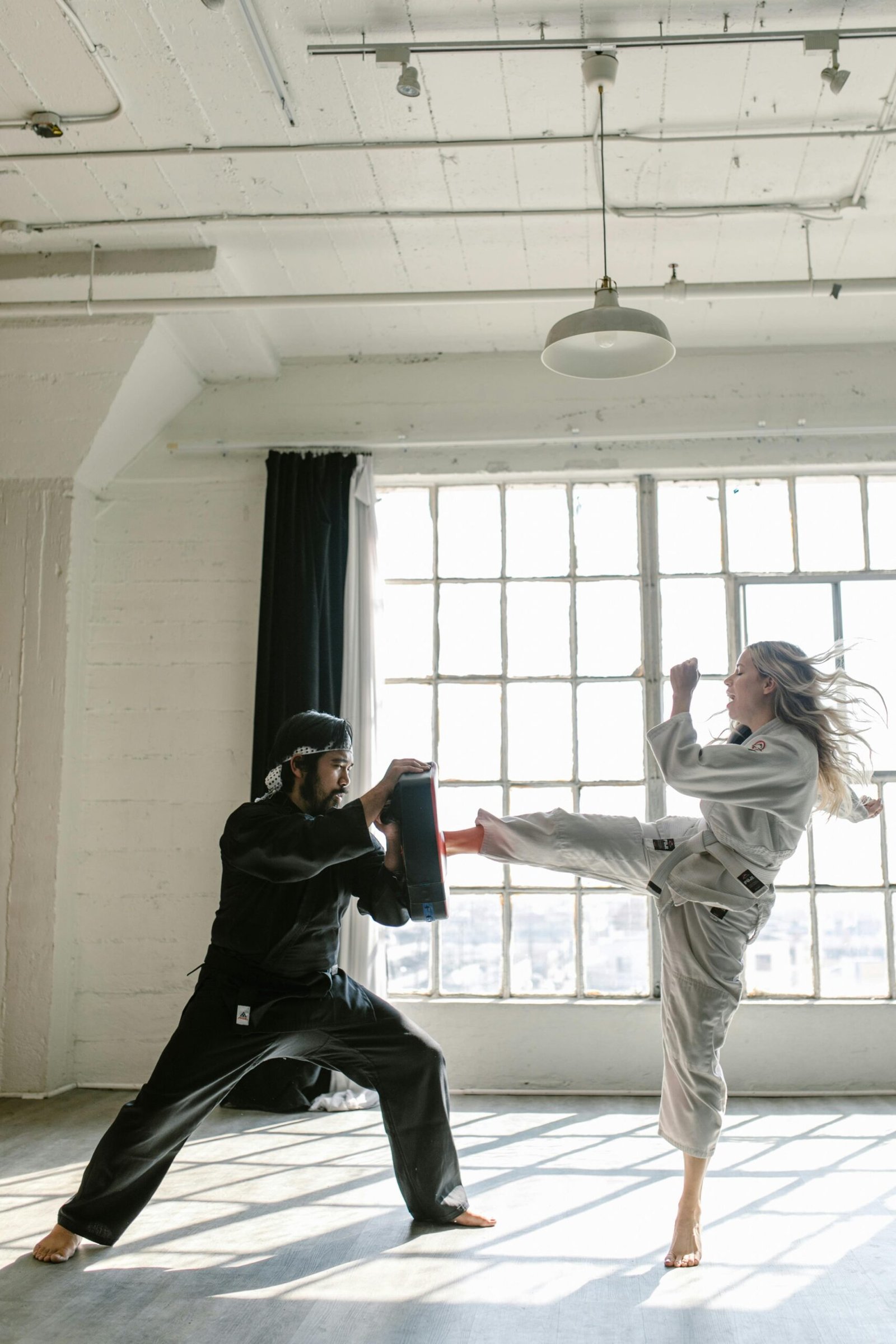
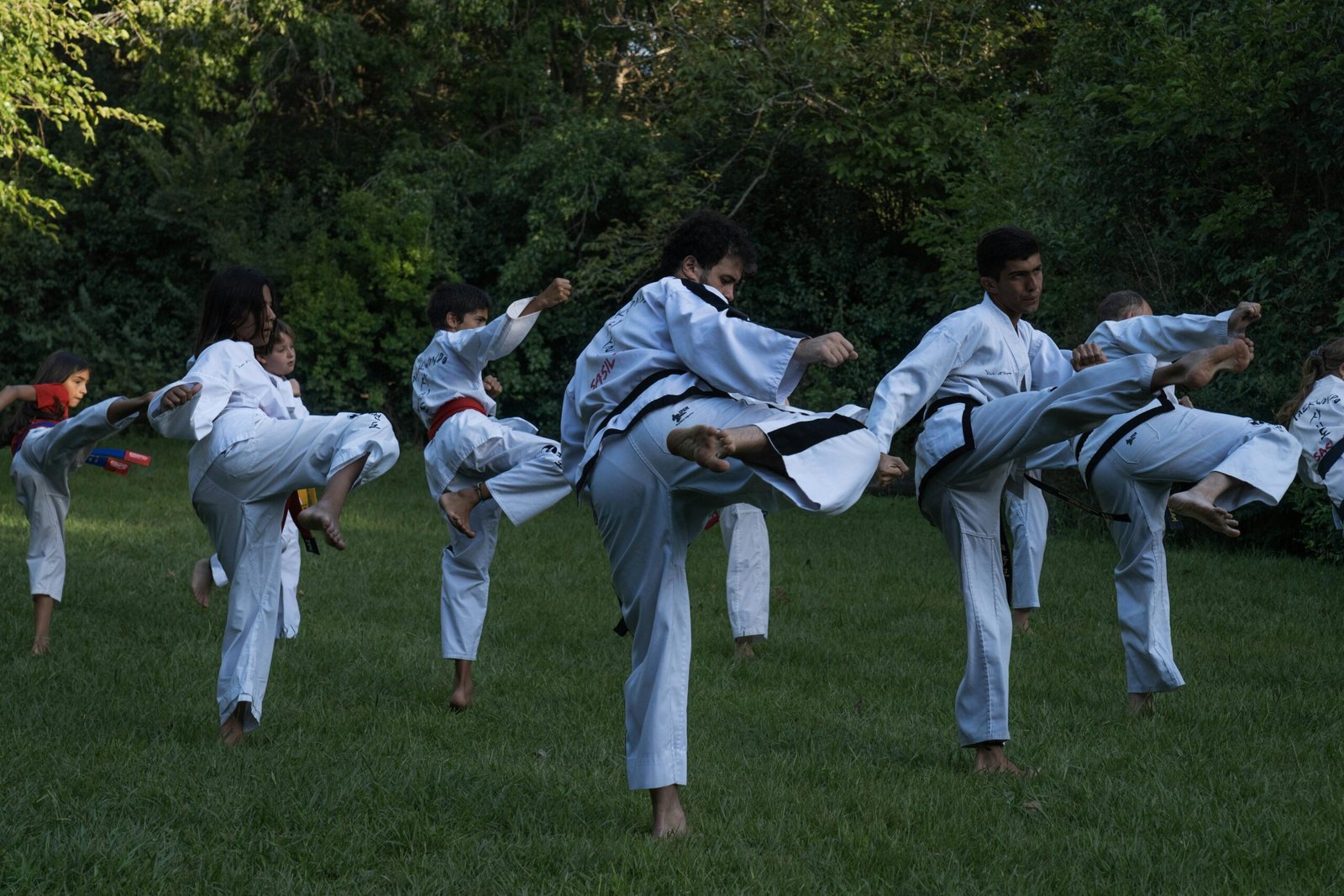
The benefits of Karate extend far beyond fighting skills. Regular practice:

Benefits Of Karate

Karate is a lifelong journey. Its practice encourages mastery of both the mind and body, and age is never a barrier. It’s not just about defeating others — it’s about refining oneself, fostering discipline, and achieving balance in life.

Karate Dojo Etiquette

Respect and discipline are the foundation of training. At our dojo (and all Canada Shotokan Karate dojos), students are expected to:
“The ultimate aim of Karate lies not in victory or defeat, but in the perfection of the character of its participants.” –
Gichin Funakoshi

Traditional Karate – For Mind, Body & Spirit

Karate means “empty hand” – a weaponless art of self-defense. But when practiced as Karate-Do (“the way of Karate”), it becomes more than techniques. It is a path to self-discipline, self-discovery, and self-improvement.

Through consistent practice, students develop:

Karate is not just about fighting. It is about becoming strong enough to stand firm, yet calm and humble enough to live peacefully.

Instructors

Our instructors are registered Black Belts through the Canadian Shotokan Karate Association

They are:

Expertly trained martial artists
Experienced teachers who are lifetime learners
Students of masters of Shotokan Karate who continue to refine their knowledge

Teaching Philosophy:

Imparting karate knowledge requires more than technical skill. Our instructors use keen observation and adapt to the learning needs of each student. They believe that no matter what level a person has achieved, there is always more knowledge to gain and new ways to refine one’s techniques.

The Journey to Black Belt and Beyond

As a student progresses toward black belt, technique, stamina, speed, and coordination become more natural through dedicated practice. Yet, reaching this level is also when a serious student realizes that the study of Karate has truly only just begun. The ultimate goal of Karate is the perfection of oneself through the perfection of the art.

Master Gichin Funakoshi, founder of Shotokan Karate, said:

“Mind and technique become one in true Karate.”
At Cranbrook Shotokan Karate, we strive to make our physical techniques pure expressions of our mind’s intention, while sharpening mental focus by understanding the essence of each movement. By refining our practice, we also polish our spirit and mentality. For example, eliminating weak or indecisive movements in Karate helps eliminate weakness and indecision in the mind—and vice versa.

Karate is not just a martial art; it is a way of life. Through training, we aim to become strong yet happy, capable yet peaceful. Ohshima Sensei, one of Master Funakoshi’s last direct pupils and founder of Shotokan Karate of America, reminds us:

“We must be strong enough to express our true minds to any opponent, anytime, in any circumstance. We must be calm enough to express ourselves humbly.”