
Higher black belt ranks (5th Dan and above) are awarded for deeper understanding of the art, dedication, and leadership within the community, rather than just learning new techniques. While the number of years is important, the awarding of higher black belt ranks is increasingly based on age, experience, and contribution to the art
Karate is a weaponless form of self-defense. The word comes from two Japanese characters: kara (empty) and te (hand), meaning “empty hand.” Adding the suffix –do (pronounced “doe”), meaning “way,” transforms it into karate-do — “the way of Karate.” This emphasizes that Karate is more than a set of self-defense techniques; it is a total way of life. In traditional Karate-do, the ultimate opponent is oneself.
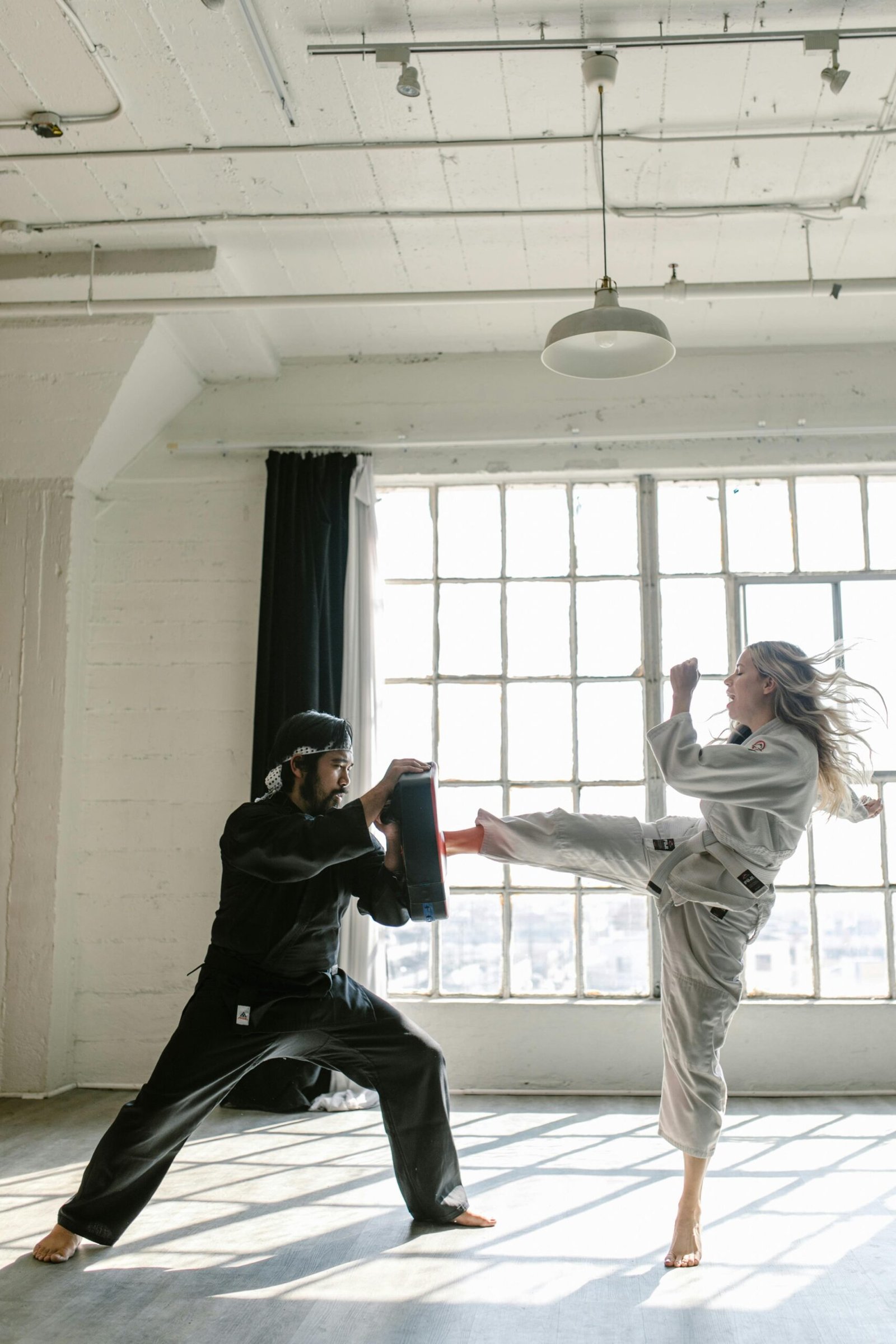
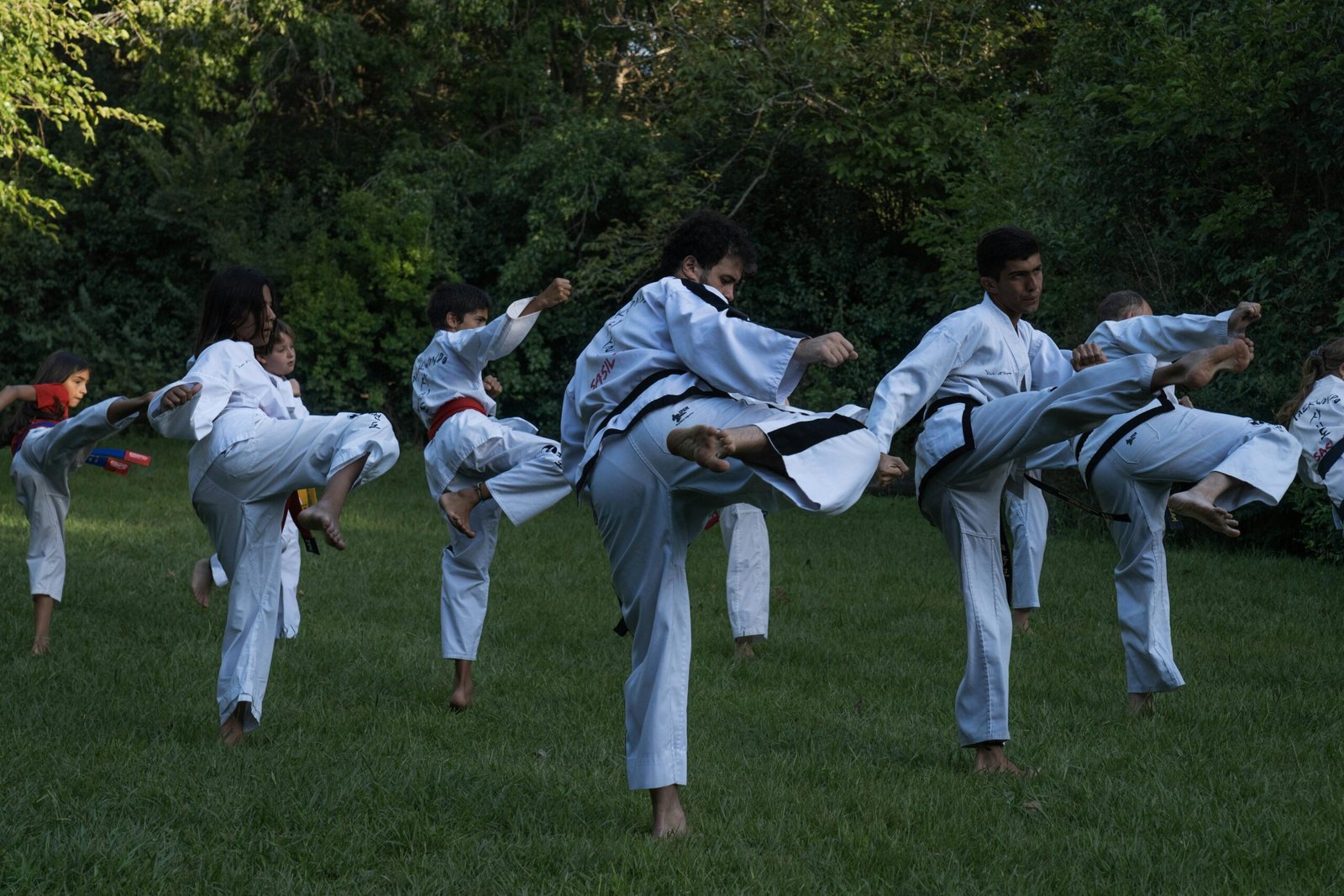
Karate combines offensive and defensive techniques, including blocks, strikes, evasions, throws, and joint manipulations. It uses all parts of the body to maximize effectiveness. Through practice, a student learns to coordinate mind and body, enabling even a small or physically weaker person to generate significant power. Strength comes not from size or muscle alone, but from the unity of mind and body.
07am - 09pm
09am - 5pm